


Unveiling the Charms of Tavira: A Traveler's Delight
Tavia is our first stop in our first trip to Portugal, I was delighted to find such a picturesque town nestled in the heart of the Algarve region, a true gem waiting to be discovered by travellers seeking charm and tranquillity.
So, if you are looking for a relaxing and authentic getaway in the Algarve, you should consider Tavira. From its cobblestone streets lined with quaint cafes to its centuries-old architecture and historic sites, Tavira offers a delightful blend of culture and relaxation.
As you wander through the town, you'll be captivated by the beauty of the Gilão River that meanders through Tavira, adding a sense of serenity to the surroundings. Be sure to visit the iconic Tavira Castle, a Moorish fortress that offers stunning panoramic views of the town and the surrounding countryside.
For those looking to soak up the sun and enjoy the pristine beaches, Tavira is home to some of the most stunning stretches of sand in the Algarve. From the popular Tavira Island to the more secluded Praia do Barril, there is a beach for every type of traveller.
And let's not forget the culinary delights that await you in Tavira. Indulge in fresh seafood dishes, sip on local wines, and treat yourself to traditional Portuguese pastries at the charming cafes dotted around town.
Why Tavira is special
Tavira is one of the oldest and most charming towns in the Algarve, dating back to the Phoenician times. It has a unique blend of traditional Portuguese heritage with deep-rooted Moorish influences, reflected in its architecture, museums, and churches.
You can explore the Moorish castle, the Roman bridge, and the tiled houses that adorn the streets. You can also visit the Parque Natural da Ria Formosa, a stunning wetland area with lagoons, islands, and wildlife. And of course, you can enjoy the delicious local cuisine, based on fresh seafood, olive oil, and herbs.
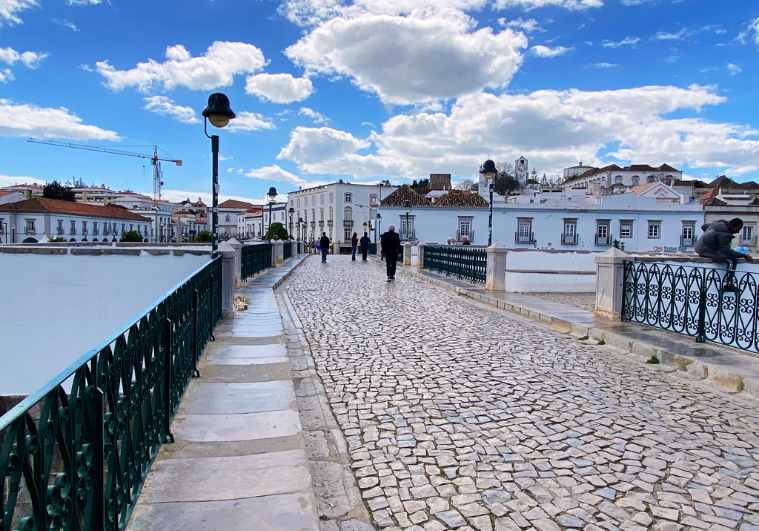
Tavira Roman Bridge by Loretta S ©
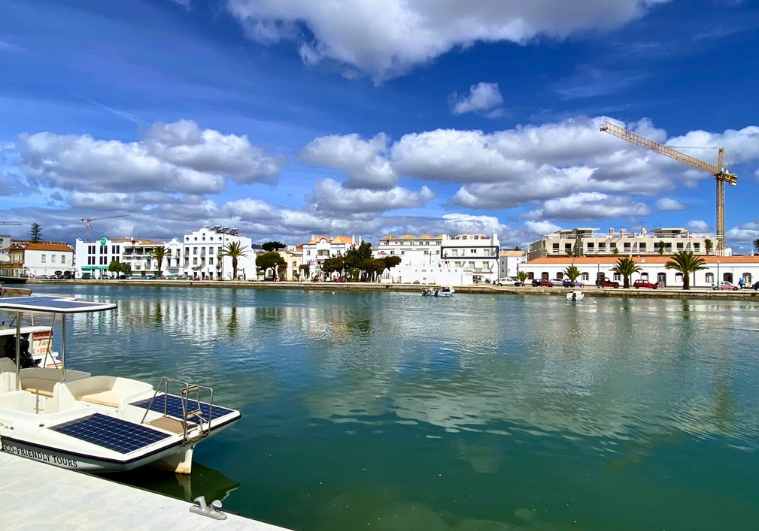
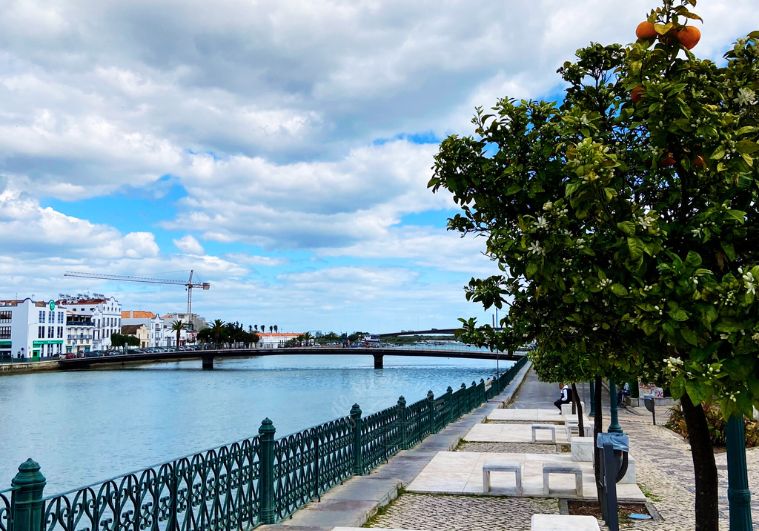
Gilao River, or Rio Séqua by Loretta S ©
Tavira has plenty of attractions and activities to suit all tastes and interests. Here are some of the highlights:
- The Roman Bridge: The iconic landmark of Tavira, spanning the Gilao River that flows through the town centre, it was built in the 12th century on the site of an ancient Roman bridge and has seven impressive arches. It is pedestrian only, so you can walk across it and enjoy the views of the river and the town.
- The Castelo de Tavira: The remains of a medieval castle, Tavira Castle was built by the Moors and later conquered by the Portuguese. It offers panoramic views of the town and the surrounding countryside. You can also visit the beautiful garden inside the castle walls, where you can see various plants and flowers.
- The Igreja de Santa Maria do Castelo: A Gothic church built on the site of a former mosque in the 13th century, it contains the tombs of seven knights who died during the siege of Tavira by King Afonso III. It also has a magnificent altar with gold carvings and paintings.
- The Igreja da Misericórdia: A Renaissance church built in the 16th century by King Manuel I, it has a stunning facade with carved columns and arches, and a portal with sculptures of saints. Inside, you can admire the azulejos (painted tiles) that depict scenes from the life of Christ and the Virgin Mary.
- The Museu Municipal de Tavira: It showcases the history and culture of Tavira from prehistoric times to the present day. It has various exhibits on archaeology, art, religion, ethnography, and more. You can also see a collection of Islamic artifacts that were found in Tavira during excavations.
Continue below -
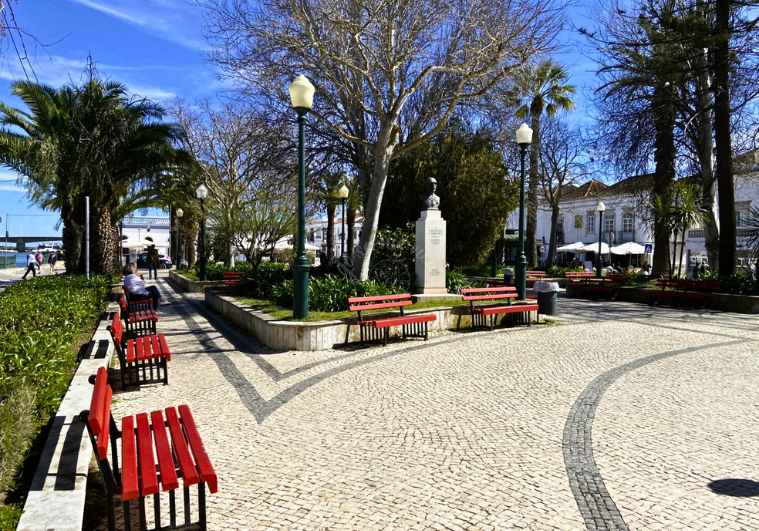
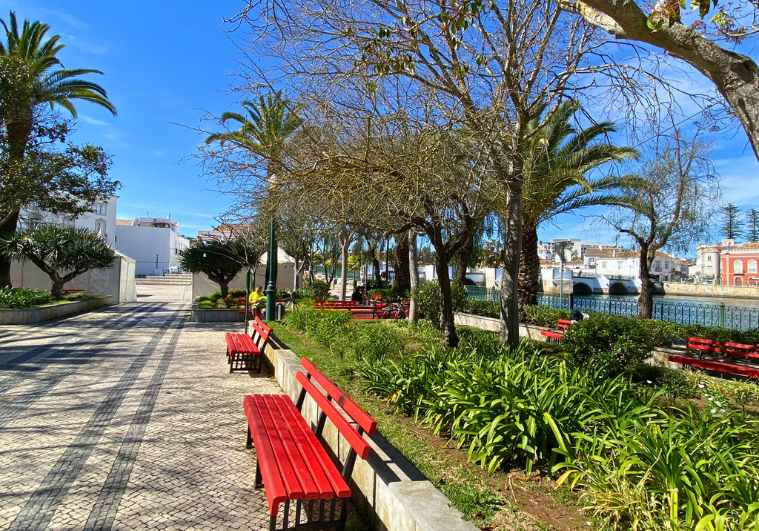
Tavira Public Park :Jardim De Coreto (Photos: Loretta S ©)
Check out my video about Tavira Portugal below
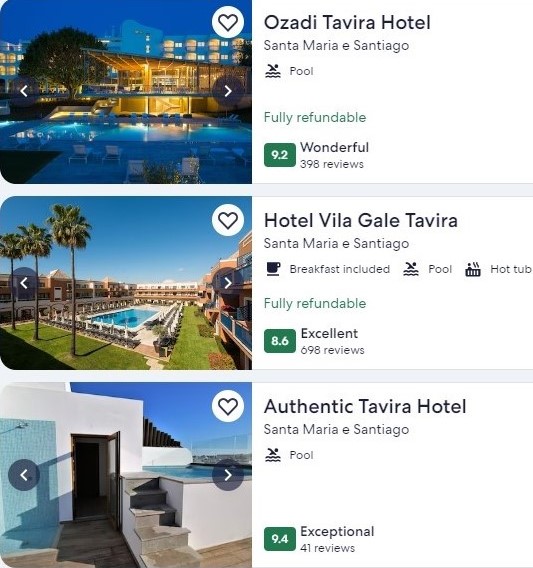
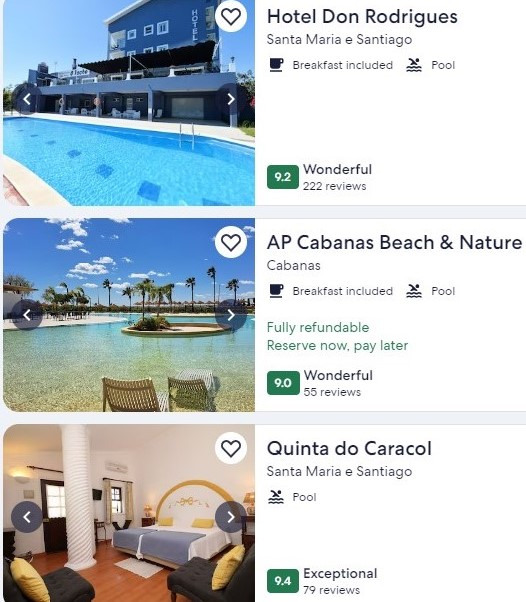
- The Mercado da Ribeira: This is a market hall that was built in 1887 on the banks of the Gilao River. It has been renovated and converted into a cultural centre, where you can find shops, cafes, restaurants, art galleries, and events. It is a great place to experience the local atmosphere and taste some regional specialties.
- The Igreja da Misericórdia: This is a Renaissance church that was built in the 16th century by King Manuel I. It has a stunning facade with carved columns and arches, and a portal with sculptures of saints. Inside, you can admire the azulejos (painted tiles) that depict scenes from the life of Christ and the Virgin Mary.
- The Museu Municipal de Tavira: This is a museum that showcases the history and culture of Tavira from prehistoric times to the present day. It has various exhibits on archaeology, art, religion, ethnography, and more. You can also see a collection of Islamic artifacts that were found in Tavira during excavations.
- The Mercado da Ribeira: This is a market hall that was built in 1887 on the banks of the Gilao River. It has been renovated and converted into a cultural centre, where you can find shops, cafes, restaurants, art galleries, and events. It is a great place to experience the local atmosphere and taste some regional specialties.
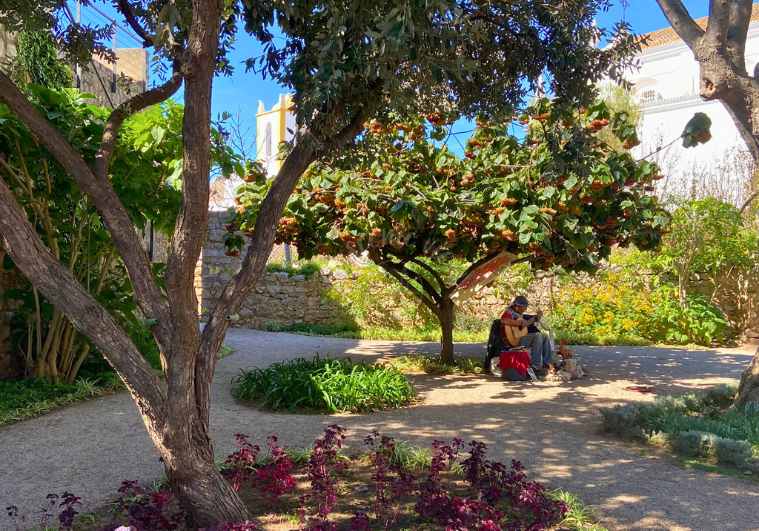
Castelo de Tavira grounds ©
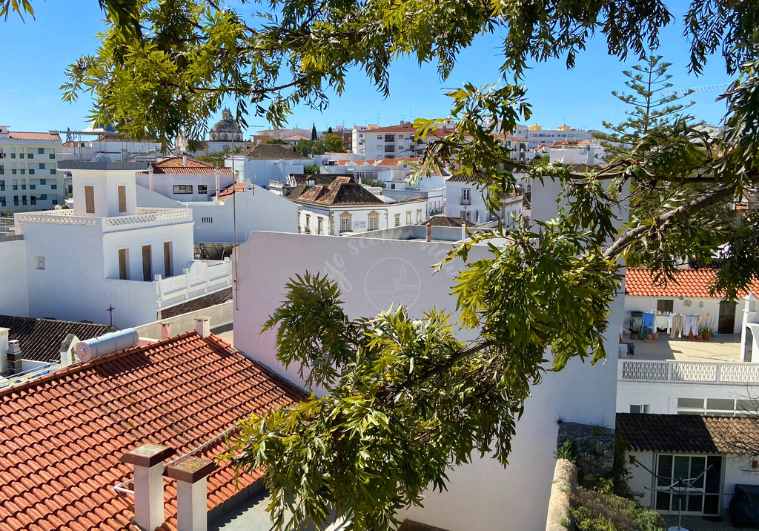
Views from Castelo de Tavira ©
- Tavira City & Chocolate: Tuk Tuk ride in Tavira, including artisanal chocolate tasting. Maria's Tuk Tuk transports guests on the "City & Chocolate Tour." The tour begins in the Alto de São Brás area and includes stops at the salt flats, Bernardas Convent, and São Sebastião Church. Continue through the military barracks, São Francisco and São José churches.
- 2 Hour Tuk tuk Tour Tavira Tour (Tuna Museum and Fishing Village included): Enjoy a tuk-tuk ride through Tavira, stopping at the Tuna Museum and the old fishing village. On a 1h45m excursion in Tavira in a 100% electric tuk tuk, explore the city's historic district, including its streets and churches, as well as the salt flats and tuna museum.
- Olive Experience with Factory Tour and Tasting In Tavira: Enjoy a flavorful olive experience. Visit a local olive factory and sample the diverse and delicious olive products. On this sensory adventure, you can enjoy the olive products while sipping local wines.
- Benagil Hiking Tour with Snorkeling(from Faro/Tavira): Hike the Seven Hanging Valleys trail from Faro or Tavira. Visit Benagil Cave and Beach, and spend some time swimming and snorkeling.
Continue below -
Check out my video about Tavira Islands below
- Tapas and Wine Tour: Overcome the language barrier and immerse yourself in Tavira's rich culinary heritage with a tapas and wine tour that reveals food and drink you might otherwise overlook. Exploring on foot between stops allows you to appreciate the city's finer details.
- Half-day birdwatching around Tavira: Great tour to see flamingos and a variety of waders in excellent conditions, led by a friendly and knowledgeable guide. This tour is done on foot at a slow pace over easy terrain. It will be possible to learn more about salt production and what makes saltpans so attractive to birds.
- Tavira Route Boat Tour: Travel the coast in a boat to discover the eastern region of the Algarve in a leisurely manner with a small group of people and depart from Cabanas to explore Barra de Tavira, Tavira Island, Quatro-Cidades, and Tavira itself. Learn the background information on each sight and highlights any noteworthy features.
- Faro Olhao and Tavira Tour with Fado Show: The tour begins in Faro, Algarve's capital, with a 13th-century city center tour. It then moves to Olhão, a Moorish fishing town, and Tavira, a historic town with a Roman bridge, cobbled streets, and churches. Lunch is not included.
Tavira Island by Loretta S ©)
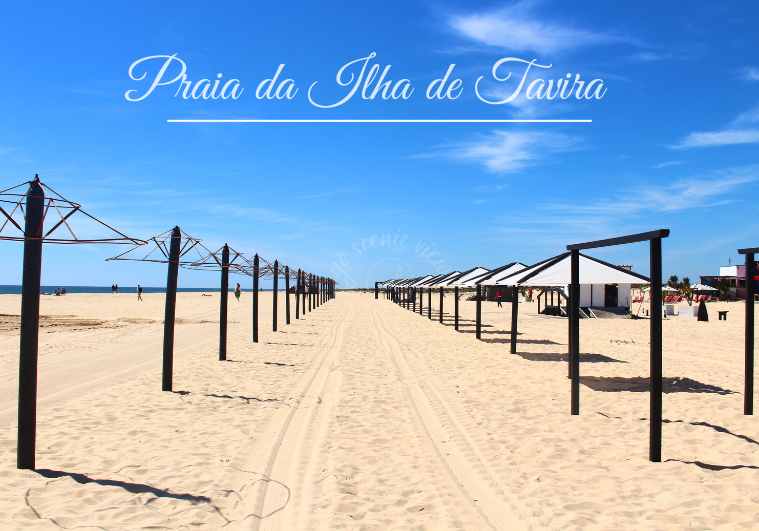
Tavira Island is a sandbar island that lies south of Tavira, separated by the Ria Formosa lagoons. It is part of the Natural Park and has some of the best beaches in the Algarve. You can reach it by ferry from Tavira or by footbridge from Santa Luzia, a fishing village famous for its octopus dishes.
Tavira Island has about 11 km of sandy coastline, with clear water and golden sand. You can choose from several beaches, such as Praia de Tavira (the main beach), Praia do Barril (where you can see an anchor cemetery), Praia da Terra Estreita (a secluded beach), or Praia do Homem Nu (a nudist beach). You can also find facilities such as restaurants, bars, showers, sunbeds, umbrellas, and water sports.
Tavira Island is a paradise for nature lovers, as you can observe various birds and plants in their natural habitat. You can also go hiking or cycling along the trails that cross the island or take a boat tour around the lagoons.
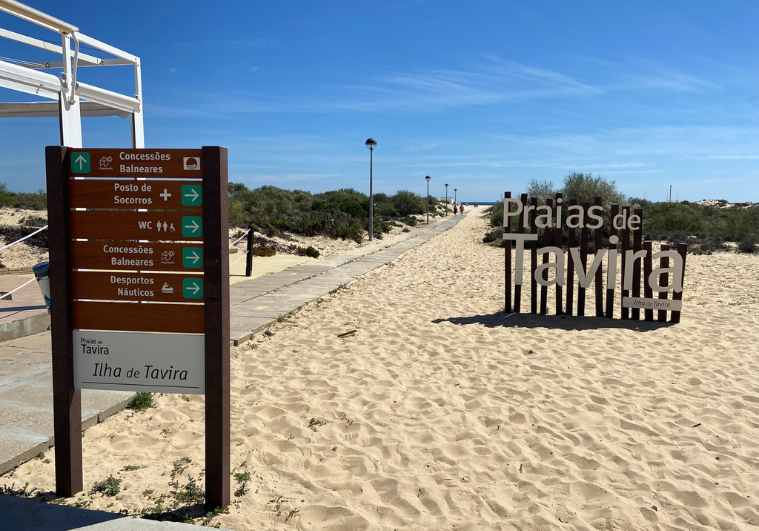
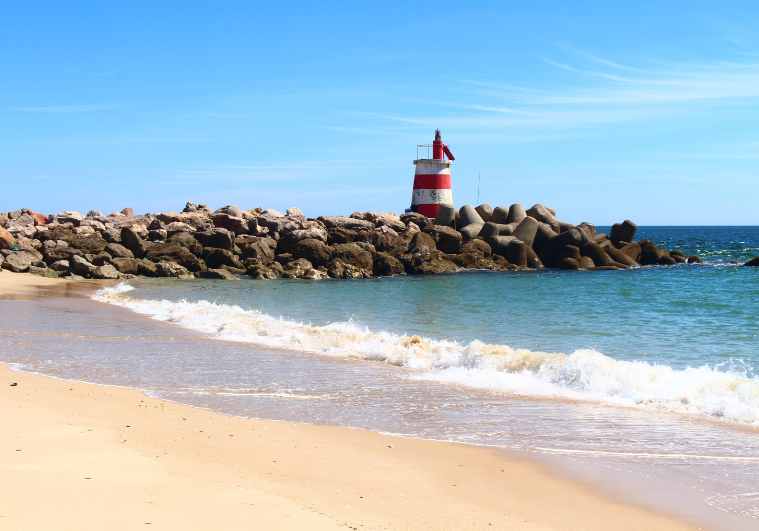
Praia da Ilha de Tavira (Photos: Loretta S ©)
We visited Tavira in the middle of March, the weather was already sunny and fine. Tavira is in Algarve, one of the warmest regions in Portugal, it has a Mediterranean climate with average annual temperatures of 17.7°C. The summer is usually hot and dry whilst the winter is mild and rainy.
For those who prefer swimming and beaches to sightseeing, the best month to visit Tavira is perhaps July, when sea temperatures exceed 20°C and the weather is sunny and dry. However, you can enjoy the lovely place from May to September, or avoid the crowds by visiting in the spring or autumn.
Please note that my blog posts may contain the affiliate links, I will be paid
if you made purchase through the links at no extra cost to you.

Scan Me


